

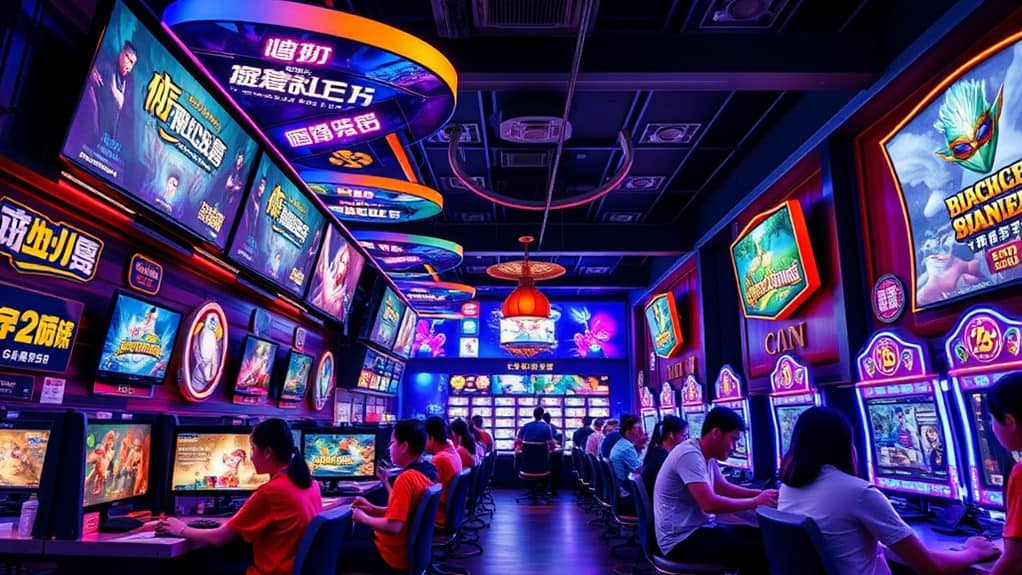
In Asia's online gaming sector, customer service is vital for driving player satisfaction and retention. High-quality support not only differentiates companies in a competitive market but also enhances user experiences. Techniques like personalization, multichannel support, and proactive communication greatly boost player loyalty. Understanding regional expectations is essential—Japanese players value politeness, while those in Southeast Asia prioritize quick responses. Leveraging technology, such as chatbots and live support, effectively addresses various player needs. Platforms that implement these strategies see considerable improvements in retention rates. There's much more to uncover about what drives success in this dynamic industry.
Overview of Asia's Online Gaming Market
The online gaming market in Asia has rapidly transformed into one of the largest and most dynamic sectors globally, driven by a blend of technological advancements and a burgeoning user base. You've likely noticed the significant market trends that indicate a shift towards mobile gaming, with smartphones accounting for over 50% of gaming revenue in the region. This shift reflects changing player demographics, particularly among younger audiences who are more inclined to engage in gaming on-the-go.
In fact, data shows that nearly 75% of gamers in Asia are aged between 18 and 34, highlighting a vibrant and engaged community that's enthusiastic for new experiences. The rise of esports, fueled by this demographic, has also been a game-changer, with millions tuning into live streams and tournaments. This means that understanding these trends is essential for developers and marketers alike.
Moreover, countries like China and South Korea are leading in the adoption of innovative gaming technologies, such as augmented reality and cloud gaming. By keeping an eye on these emerging trends and demographics, you can leverage insights that drive strategic decisions in this competitive landscape.
Importance of Customer Service
As the online gaming market in Asia continues to expand at an unprecedented rate, the role of customer service becomes increasingly significant. High-quality customer service directly impacts customer satisfaction, which in turn influences player retention and brand loyalty. When you think about it, effective service quality can be a game-changer for companies aiming to thrive in this competitive landscape. For instance, platforms like Arsenal33 demonstrate the importance of quick response times in enhancing player satisfaction through their 24/7 customer support.
Consider the following factors that underscore the importance of customer service in online gaming:
- Timely Support: Quick responses to player inquiries can enhance the overall gaming experience, making users feel valued and understood.
- Personalized Interaction: Tailoring communication to meet individual player needs can foster a deeper connection, encouraging long-term engagement.
- Feedback Mechanisms: Actively seeking player feedback not only improves service quality but also empowers users, creating a sense of community.
In a data-driven environment, companies that prioritize customer service are likely to see higher customer satisfaction scores. As players increasingly demand seamless experiences, those who invest in robust customer service frameworks will not only survive but thrive in Asia's vibrant online gaming sector.
Key Customer Service Strategies
In the fast-paced world of online gaming, employing effective customer service strategies is crucial for fostering player loyalty and satisfaction. To achieve this, you should consider leveraging personalization techniques and strong feedback mechanisms. Personalization helps create tailored experiences that resonate with players, enhancing their emotional connection to the game. By analyzing player behavior and preferences, you can deliver customized support that directly addresses their needs.
Here's a breakdown of key strategies:
| Strategy | Description | Benefits |
|---|---|---|
| Personalization Techniques | Use player data to tailor experiences and interactions. | Increased engagement and loyalty. |
| Feedback Mechanisms | Implement surveys and in-game feedback options. | Continuous improvement and player insights. |
| Multichannel Support | Guarantee availability through chat, email, and social media. | Greater accessibility and convenience. |
| Proactive Communication | Reach out to players with updates and offers. | Builds trust and keeps players informed. |
| Knowledge Base Development | Create extensive FAQs and guides. | Reduces support inquiries and empowers players. |
Regional Differences in Service Expectations
Understanding customer service strategies is just the beginning; recognizing regional differences in service expectations can greatly influence how gaming companies engage with their audiences across Asia. Cultural nuances and player demographics vary notably from one region to another, shaping what players expect from customer service. For instance, you might find that:
- In Japan, players often expect high levels of politeness and formality, valuing a respectful interaction. This aligns with the emphasis on customer support features that prioritize user satisfaction.
- In Southeast Asia, responsiveness and quick resolutions are prioritized, reflecting a fast-paced lifestyle. Platforms like Arsenal33 cater to local audiences with targeted campaigns to enhance user experience.
- In China, the focus is on thorough support, with players looking for detailed guides and community engagement.
These differences highlight the importance of tailoring customer service approaches to meet specific regional needs. By analyzing player demographics, such as age groups and gaming preferences, companies can better understand the cultural nuances that inform service expectations. Failing to adapt could result in misunderstandings and dissatisfaction, ultimately impacting player retention. So, whether you're launching a new game or enhancing existing services, always consider how regional expectations shape your customer service strategy. Understanding these elements is essential for fostering loyalty and ensuring success in Asia's competitive online gaming market.
Technology's Role in Enhancing Support
With the rapid evolution of technology, online gaming companies are increasingly leveraging innovative tools to enhance customer support. One of the most notable advancements is the integration of chatbots, which offer 24/7 assistance and can handle a high volume of inquiries simultaneously. This reduces wait times and allows for immediate responses, making the gaming experience more enjoyable.
However, while chatbot integration excels in efficiency, live support remains essential for complex issues that require human empathy and understanding. A balanced approach, combining both technologies, can remarkably improve customer satisfaction and loyalty.
Here's a comparative overview of chatbot and live support effectiveness:
| Feature | Chatbot Integration |
|---|---|
| Response Time | Instant |
| Cost Efficiency | High |
| Complex Query Handling | Low |
| Customer Satisfaction | Moderate to High |
| Feature | Live Support |
| Response Time | Varies |
| Cost Efficiency | Moderate |
| Complex Query Handling | High |
| Customer Satisfaction | Usually High |
Case Studies of Successful Platforms
Examining successful platforms in Asia's online gaming sector reveals how effective customer service strategies can drive player engagement and retention. By analyzing platform comparisons, you can identify key elements that enhance user experiences and foster loyalty among players. For instance, K9Win Casino's user-friendly interface guarantees that players can easily navigate the platform, contributing to a seamless experience.
Consider these standout strategies:
- Personalized Support: Leading platforms use data analytics to tailor customer interactions, guaranteeing players feel valued and understood.
- 24/7 Availability: Round-the-clock support allows users to resolve issues quickly, reducing frustration and keeping them engaged.
- Multi-Channel Communication: Offering support through various channels—live chat, social media, and forums—caters to diverse user preferences.
These case studies show that when platforms prioritize customer service, they not only improve user experiences but also markedly boost retention rates. For instance, one major platform reported a 30% increase in player retention after implementing a thorough support system that emphasized quick responses and personalized service. Such data-driven insights reveal that investing in customer service isn't just a nice-to-have; it's essential for success in the competitive landscape of online gaming. By learning from these successful platforms, you can better understand how to enhance your own user experiences and maintain a loyal player base.


